Why Location Matters
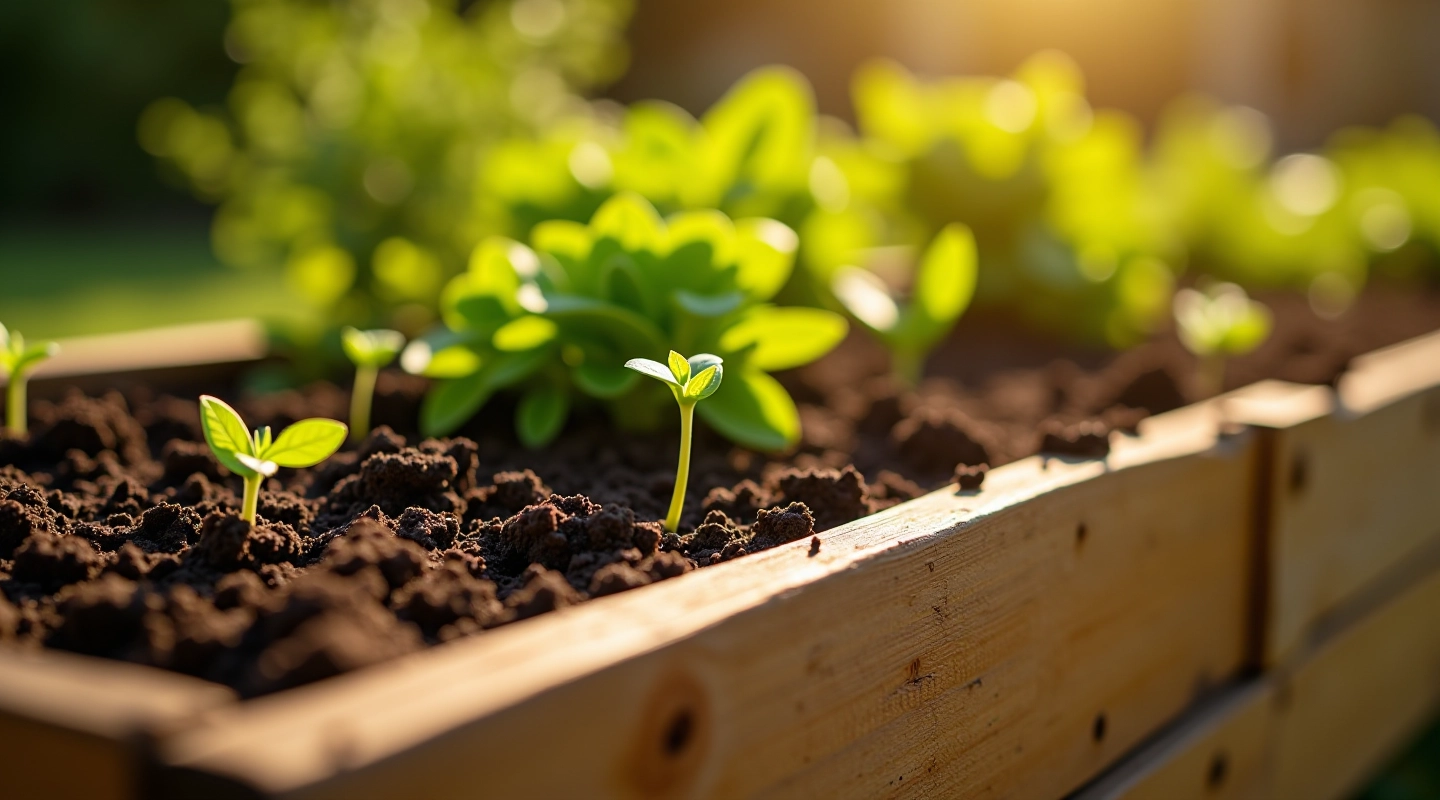
Growing in a raised bed changes everything. You've got better drainage, warmer soil earlier in spring, and more control over what goes in the ground. But here's the thing — Ireland's climate is unique. What works in southern England doesn't always work in Galway or Cork. Frost comes late. Summers aren't scorching. Rain is, well, frequent.
We've been testing vegetables in Irish raised beds for years now. Some crops absolutely thrive here. Others struggle no matter what you do. This guide covers what we've learned — the vegetables that'll actually give you a harvest, not just a learning experience.
Spring Vegetables That Work
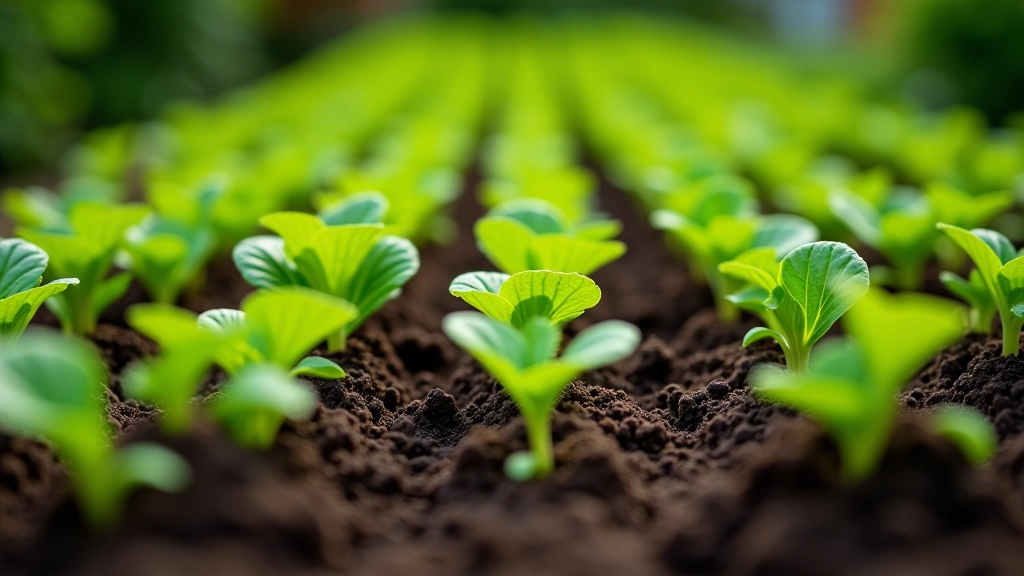
Late April through May is when Irish gardens really come alive. Potatoes are the obvious choice — plant them in mid-March, and you'll have new potatoes by early June. We've had brilliant success with heritage varieties like Rooster and Sarpo Mira. They're more resistant to blight, which matters in our damp climate.
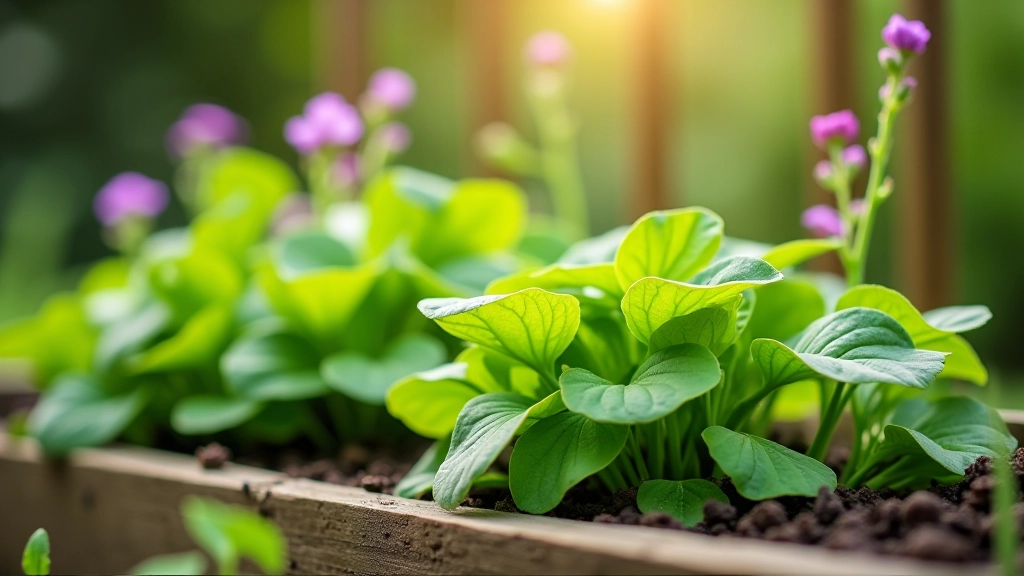
Broad beans planted in autumn (October) actually overwinter better than spring-planted ones. By April they're flowering and ready. Peas follow — plant them as soon as soil's workable in March. You'll be eating them by June. We've tried sugar snap and mangetout varieties, and they both do well if you give them support. Don't skip the netting though. Birds love them as much as we do.
Quick tip: Start onions and garlic in autumn (September). They'll establish roots over winter and be ready to push up in spring. Autumn planting means bigger harvests than spring-planted varieties.
Summer Crops That Actually Deliver
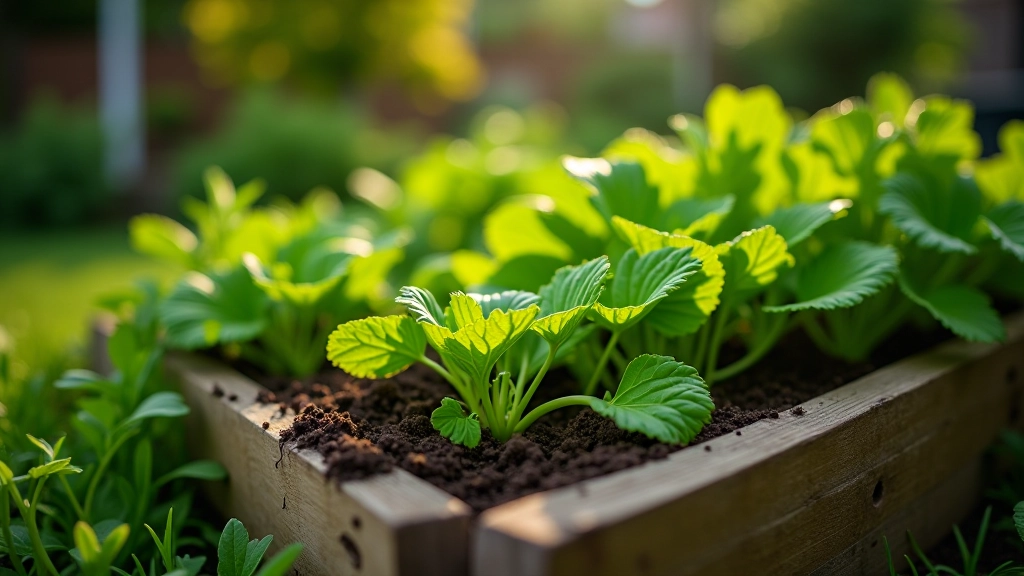
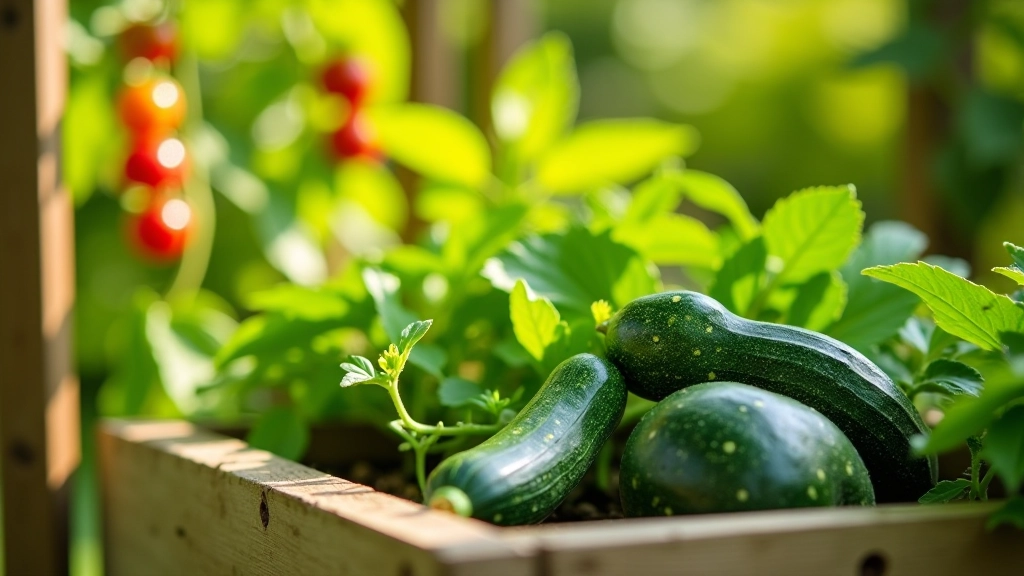
This is where raised beds shine. By late May, soil temperature is high enough for courgettes, beans, and squash. Plant them directly into the bed after frost risk has passed — usually around late May in most Irish regions. Courgettes especially thrive. Plant just two plants and you'll have more than you know what to do with by July.
Runner beans are brilliant here. They don't mind the cool nights and actually prefer consistent moisture, which means they love Irish summers. Plant them after frost danger passes (late May), give them a sturdy frame, and they'll produce right through August and September. We've found that picking regularly keeps them productive. Leave one to mature and the plant thinks it's done for the year.
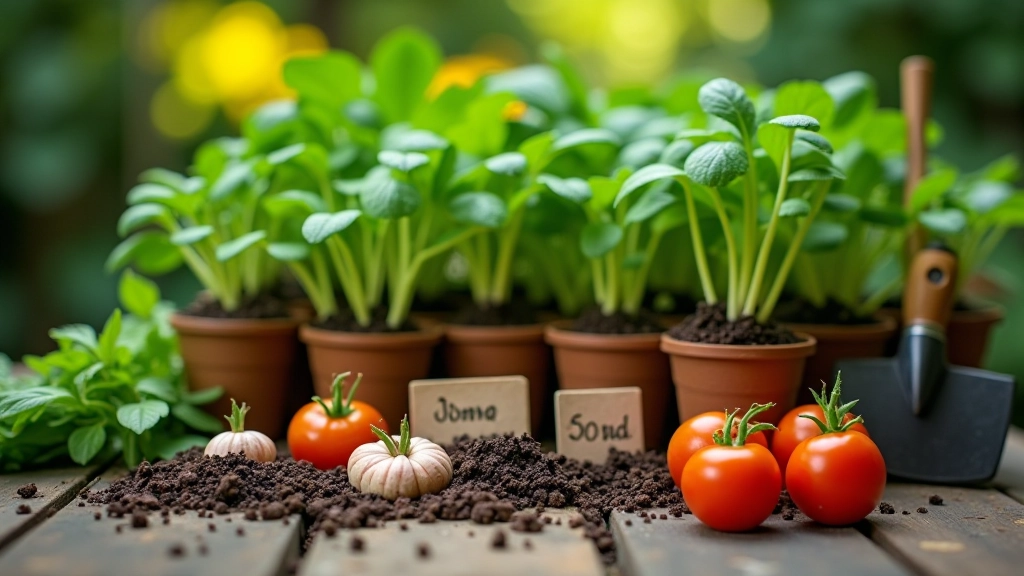
Tomatoes need a bit more care in Ireland. You'll get better results in a sheltered spot or against a south-facing wall. Cherry tomato varieties are more reliable than big beefsteak types. Bush varieties need less fussing than indeterminate ones. Plant in late May, support them well, and don't overwater — that's when problems start.
Note: This guide is based on practical experience in Irish growing conditions and is intended as educational information. Growing conditions vary by location within Ireland. Soil quality, microclimate, rainfall, and other factors affect results. We recommend consulting local gardening groups or your regional horticultural society for advice specific to your exact area.
Autumn Harvest Crops
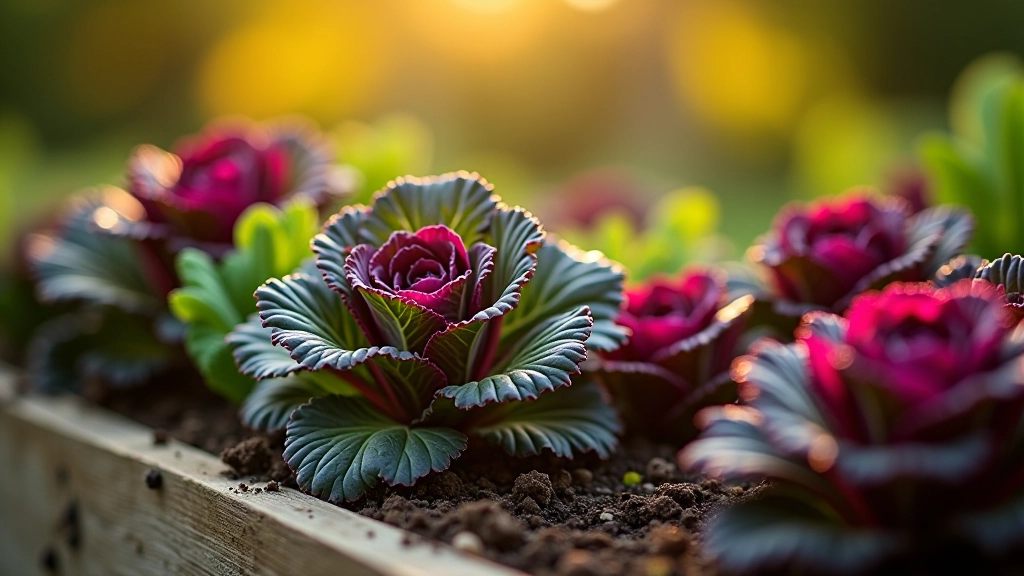
Here's where many gardeners miss out. August planting gives you a second crop of vegetables that actually prefer cooler weather. Kale, chard, and spring cabbage planted in late July or early August will crop right through autumn and into winter. They're not bothered by cold. They actually taste better after a frost.
Root vegetables planted in late June or early July — carrots, beetroot, parsnips — will be ready to harvest by September. We've had excellent results with Nantes carrots and Detroit beets. They store well too. Harvest before heavy frosts and they'll keep in a cool shed or garage for weeks.
Lettuce and spinach planted in August gives you fresh salad leaves into October. These cool-season crops grow slower in lower light, but that's actually what you want — slower growth means better flavor and tenderness. Don't skip them just because it's late summer.
Vegetables to Skip (Or Handle Carefully)
Some vegetables just don't love Irish conditions. Aubergines need more consistent heat than we can provide. Peppers will grow but rarely reach full ripeness outdoors. Corn needs a longer, warmer season — unless you're in a very sheltered southern spot. They're not impossible, just frustrating.
Melons are another one. Yes, you can grow them in a raised bed, but they need a lot of heat, and our summers are too short and cool. If you really want them, grow shorter-season varieties and plant in the warmest, most sheltered spot you've got.
"Focus on what loves your climate. You'll have better results and way less frustration."
Practical Tips for Success
Soil depth matters. Most vegetables want 12 inches minimum, but 18 inches is better. Potatoes need at least 12 inches to develop properly. Root crops like carrots and parsnips need depth to grow straight and long.
Moisture consistency is huge in Irish gardens. We get plenty of rain, but it comes in bursts. During dry spells, consistent watering makes the difference between tough, woody vegetables and tender, flavorful ones. Early morning watering is best — it reduces disease issues and gets plants through hot days.
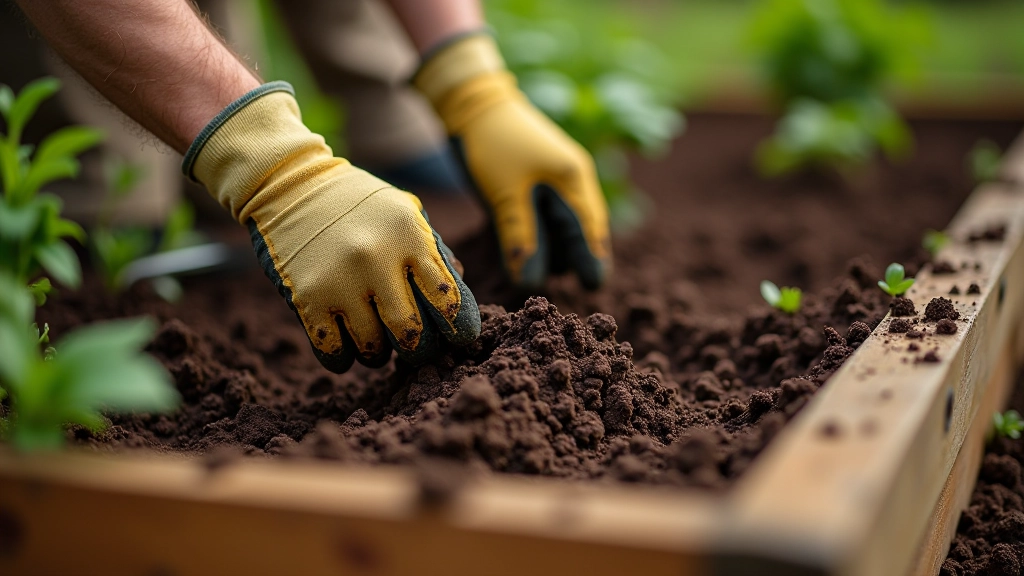
Mulch is your friend. A 2-3 inch layer of compost or well-rotted manure over the bed keeps moisture consistent, feeds the soil as it breaks down, and suppresses weeds. You'll do way less weeding, and your vegetables will be happier.
Don't plant too densely. Overcrowding causes disease, especially in wet Irish summers. Follow spacing guidelines on seed packets. They're not suggestions — they're based on how much air circulation each plant needs.
Growing With Your Climate, Not Against It
The best Irish raised bed gardens aren't fighting the weather. They're working with it. Spring brassicas, summer beans and courgettes, autumn greens — these crops thrive because they match what our climate actually offers. You'll get better harvests, healthier plants, and way less frustration when you choose vegetables that want to grow here.
Start with what we've covered here. By the end of your first year, you'll know exactly what works in your specific garden. Every plot is different — aspect, soil, shelter, microclimate. You're not just growing vegetables. You're learning your land.