
Building Your First Raised Bed Frame
Step-by-step instructions for constructing a durable wooden frame that'll last several seasons.
The right soil mixture makes the difference between struggling plants and a productive garden. We break down the best ratios and where to source each component locally.
Editorial Team
Written by the fenixreach Editorial Team, focused on practical guidance for growing vegetables in raised beds across Irish gardens.
Here's the thing — you can't just fill a raised bed with whatever's lying around and expect vegetables to thrive. The soil you use determines everything: how well water drains, how nutrients reach plant roots, and whether your tomatoes actually ripen before autumn rain sets in.
A good vegetable mix needs three key components working together. Think of it like a recipe. Too much sand and water runs straight through. Too much clay and roots can't breathe. Too much compost and you're burning money on something you could balance differently.
We've tested dozens of combinations over the past few seasons. What works isn't complicated — it's just intentional.
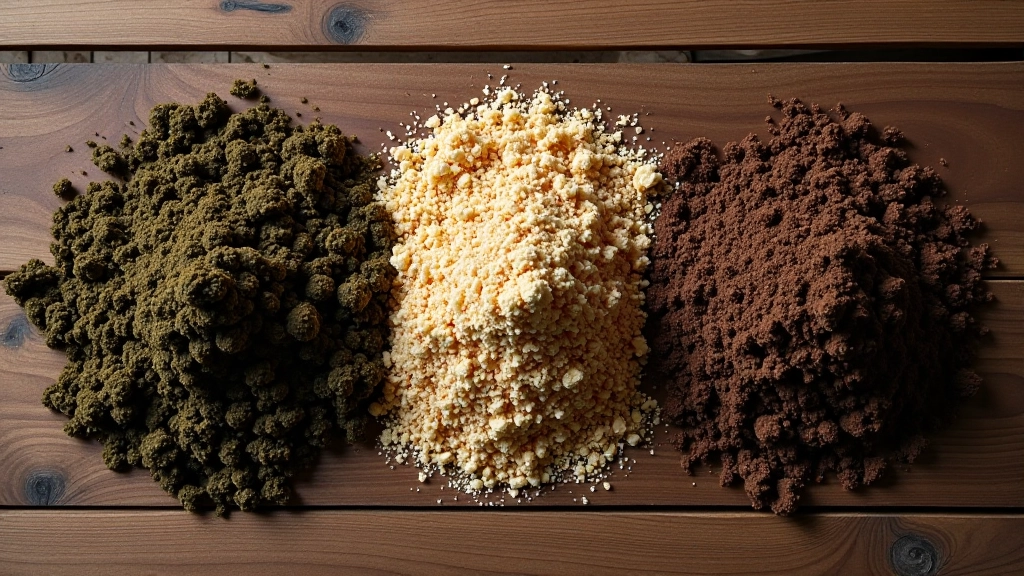
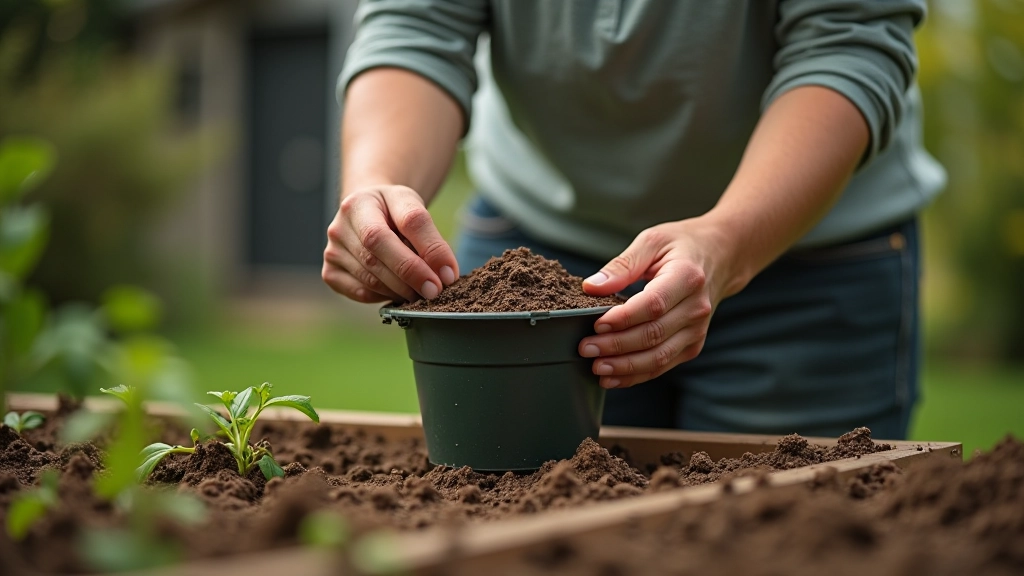
The basic ratio we've settled on is 40% topsoil, 40% compost, and 20% peat moss or coco coir. You're not locked into this exact formula — gardens are individual — but it's a solid starting point that works across different vegetable types.
Provides structure and holds nutrients. Buy from a local supplier — it's cheaper than having it shipped. Quality varies, so ask if they've tested for contaminants. One cubic metre fills about 12 square metres at 20cm depth.
The living part of your mix. Garden compost, mushroom compost, or well-aged manure all work. It feeds the soil biology and releases nutrients slowly. If you make your own, you'll know exactly what went in. Otherwise, check the source.
Improves water retention and aeration. Peat's cheaper but raises environmental concerns. Coco coir costs more but sustainable — your choice depends on your values and budget. Both do the same job.
This guide shares our experience and testing. Your results will depend on your specific location, rainfall, sunlight, and the vegetables you choose to grow. Soil isn't one-size-fits-all. If your garden's doing well with a different ratio, keep doing what works. The point isn't to follow a recipe blindly — it's to understand what each component does so you can adjust.
Local sourcing saves money and keeps your carbon footprint reasonable. You're not shipping heavy soil across the country.
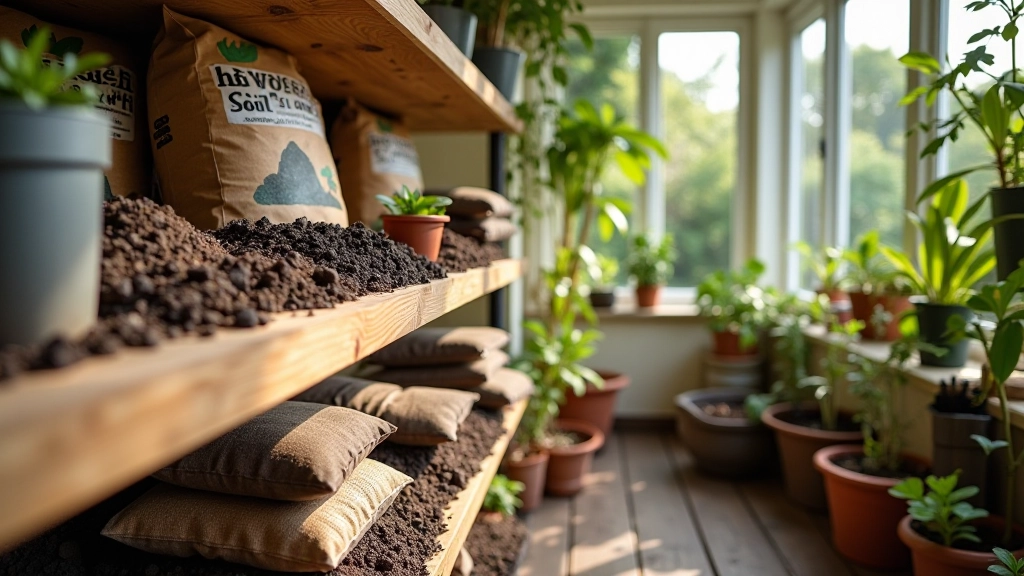
For topsoil, contact landscape suppliers in your county. Most deliver if you're ordering a cubic metre or more. Garden centres stock bagged options but they're pricey for filling a raised bed — only use them if you're working with a small space.
Compost sources vary. Some councils collect garden waste and produce compost you can buy back. Local farms often have well-rotted manure. Garden centres sell branded compost, which is fine but costs more. Mushroom farms sometimes sell their spent compost — excellent quality, worth asking around for.
Peat and coco coir you'll get from garden centres or online. Prices fluctuate. Buy in spring when demand's lower if you're planning ahead.
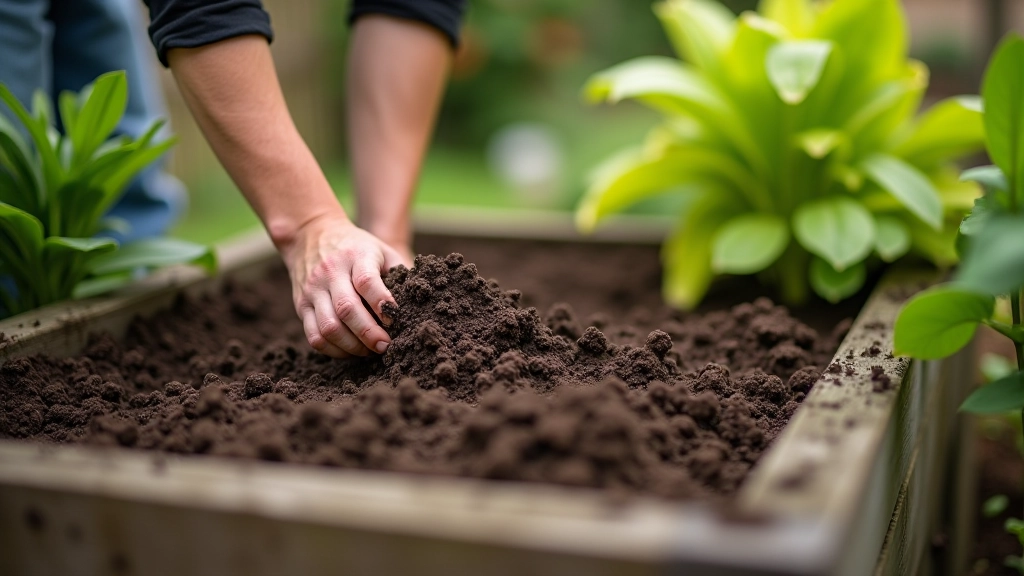
Don't overthink the mixing process. You've got a few options depending on what you're working with.
The easiest approach: layer your materials directly into the bed. Put down topsoil first, then compost, then peat or coir on top. Water as you go. Over a few weeks, worms and microbes will mix everything naturally. It works. Plants don't care if it's perfectly blended.
If you want it mixed before planting, do it on a tarp. Shovel the topsoil out, add compost and peat, then turn the whole pile with a spade a few times. Takes maybe 20 minutes for a standard raised bed's worth. Fill your bed and water thoroughly.
One thing worth doing: let your soil settle for a week or two after filling before planting. It compacts naturally. You'll need less additional soil later, and your plants sit better in the bed.
The best soil is the one you'll actually use. Don't get stuck comparing endless options. Pick your materials based on what's available locally and what fits your budget. A 40-40-20 mix gives you a solid foundation for growing most vegetables in Ireland's climate.
Once you've got your first beds filled and growing, you'll learn what adjustments work for your garden. That's when the real knowledge develops — through doing, not through reading guides.
Learn the next step in setting up your garden space.
Read the Frame Building Guide
Step-by-step instructions for constructing a durable wooden frame that'll last several seasons.
Not every vegetable thrives in Ireland's climate. We've tested what actually works in our gardens.
Organic methods that work. From companion planting to natural pest control, learn practical techniques.